How Platform Mechanics Actually Work Inside SONA101: An Industry Breakdown
The slot machine stops. The cards flip. The cricket odds shift in real time. But what actually happens inside the platform between your tap and the result? Most players in Bangladesh interact with SONA101 without ever reading the architecture behind the screen. That gap — between pressing "bet" and receiving a payout — is where this analysis sits.
This is not a marketing walkthrough. This is a ground-level examination of how random number generation, slot mathematics, live dealer infrastructure, sportsbook pricing, and payment rail sequencing actually function inside SONA101's environment. Whether you are a cricket bettor deciding where to stake your BDT, a JILI slot player evaluating return potential, or a live casino enthusiast who wants transparency before depositing, this piece breaks the stack open.
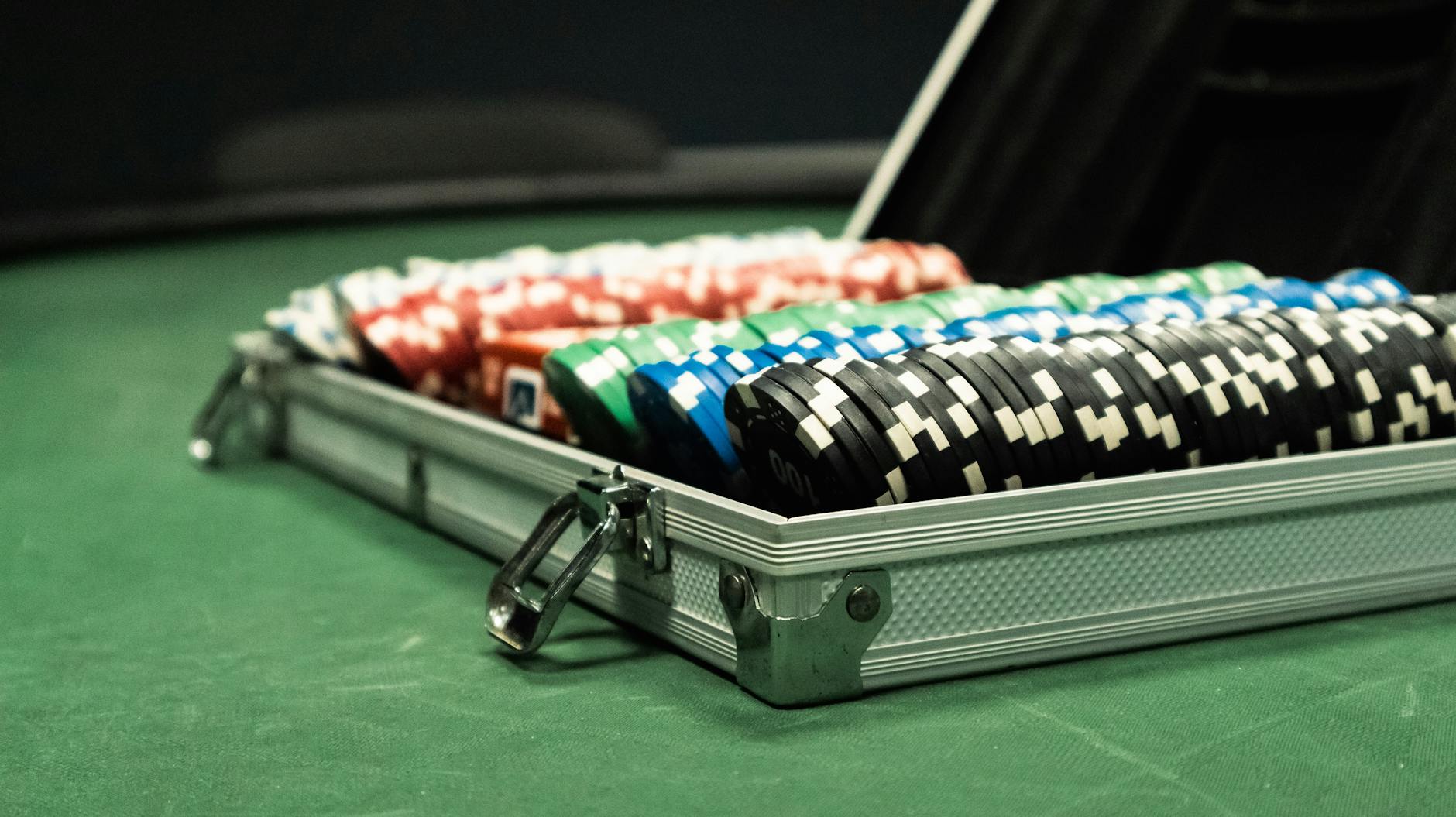
Photo by Dovydas Pranka on Pexels
RNG Certification and Game Fairness on SONA101
Every slot spin and card outcome on SONA101 originates from a random number generator — a software algorithm that produces unpredictable number sequences at high frequency, typically every millisecond. When you press the spin button, the system captures the number currently active in the RNG sequence and maps it to a specific outcome — reel position, card value, or result state.
The critical distinction here is deterministic versus pseudorandom. Modern casino RNGs are pseudorandom: they use mathematical seed values and complex algorithms to produce sequences that pass statistical randomness tests, but the sequence itself can be verified if the seed and algorithm are known. Platforms serving the Bangladesh market typically implement third-party testing from firms that audit RNG outputs against published theoretical return-to-player percentages.
What this means for the player is straightforward: each spin is independent. The previous outcome has no influence on the next. A slot that paid out a large win five spins ago is no more or less likely to pay again on the next spin. The platform's RNG operates under the same mathematical rules whether you are betting ৳100 on a JILI slot or ৳5,000 on a live baccarat hand.
Key fairness indicators to watch for on any platform:
- Published RTP (Return to Player) percentages for slot titles — JILI slots typically range from 92% to 97%
- Independent testing lab seals displayed in the footer or game info screens
- Provably fair documentation or verifiable RNG seeds for cryptocurrency-capable platforms
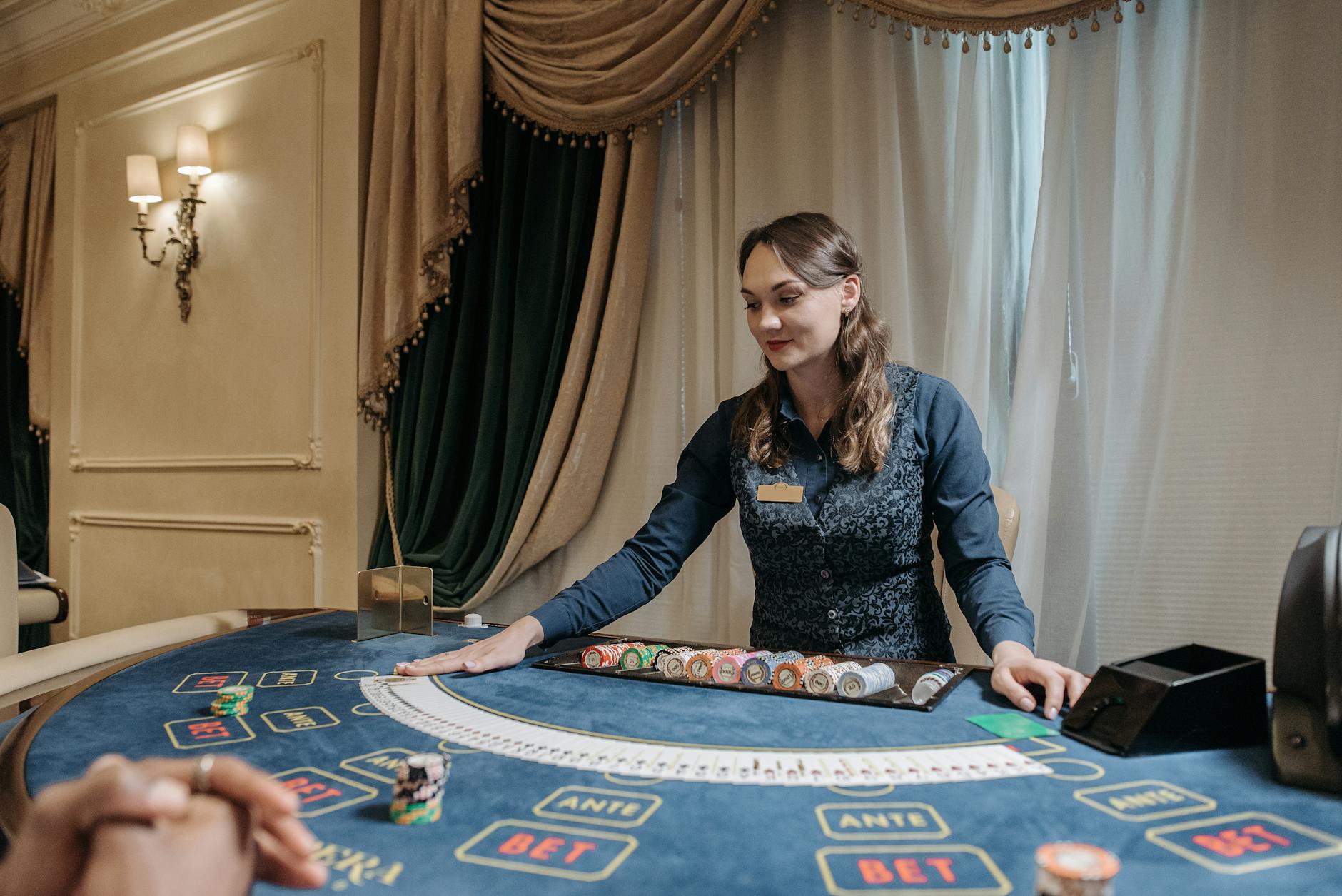
Photo by Pavel Danilyuk on Pexels
Slot Mathematics: Volatility, RTP, and How SONA101's Games Are Built
Understanding slot math requires distinguishing between three core concepts: theoretical RTP, hit frequency, and volatility.
Theoretical RTP is the percentage of total wagered money a slot returns to players over a very large number of spins. A slot listed at 96.5% RTP does not mean you will receive ৳965 back if you deposit ৳1,000 — it means that across millions of simulated spins, the game mathematically retains 3.5%. Individual sessions deviate significantly from this figure in both directions.
Hit frequency describes how often a spin produces any winning combination, regardless of size. A slot with 35% hit frequency pays out a winning combination roughly once in every three spins. These wins range from below your stake to multiples of it.
Volatility — sometimes labeled variance — describes the risk profile of a slot game. Low-volatility titles deliver frequent small wins; high-volatility titles pay out less often but deliver larger prizes when they do. JILI's library on SONA101 includes both ends of this spectrum.
| Slot Characteristic | Low Volatility | High Volatility |
|---|---|---|
| Win frequency | High | Low |
| Typical win size | Near or below stake | Multiple times stake |
| Bankroll impact | Slow drain | Bouts of depletion, then recovery |
| Player profile | Extended sessions, lower risk | Short sessions, higher risk tolerance |
This framework matters when you are allocating a BDT bankroll. A ৳5,000 deposit on a high-volatility JILI slot will behave differently than the same amount on a low-volatility title — even if both carry the same 96% RTP label. Session length, stake sizing, and game selection all connect to these mathematical properties.
Live Dealer Table Operations: Physical Equipment and Stream Architecture
The live casino section on SONA101 operates differently from the slot environment. Live dealer games use physical equipment — actual cards, a physical roulette wheel, real dice — captured by high-resolution cameras and streamed to the player's device in real time. The connection between physical action and digital outcome is the critical architecture point here.
Physical blackjack and baccarat tables use automatic shuffling machines and sometimes continuous shuffle machines, which shuffle the deck continuously during play to prevent card counting. The cameras positioned above each table capture every action — card dealing, wheel spin, result declaration — and transmit to the streaming infrastructure. The player's terminal receives this feed with a latency typically under one second.
Inside the platform, the game result is captured by an optical character recognition system (OCR) that reads the physical outcome — which card was dealt, where the ball landed — and converts it into a digital result that the platform's game engine then processes. Your bet outcome is determined by this digital result, not by the physical table alone.
Why this matters for trust: The physical component — real cards, real wheel — is observable by the player through the stream. The digital translation is where the platform's integrity systems apply. A credible platform will have its live casino operating under a gambling authority license with published game rules that match the physical equipment being used on camera.

Photo by DS stories on Pexels
Sportsbook Odds: How Cricket and IPL Markets Get Priced
For cricket bettors using SONA101 — particularly during IPL and BPL seasons — understanding how odds are compiled reveals why the platform's pricing behaves the way it does.
Sportsbook odds pricing begins with a margin built into the odds. A cricket match with two evenly matched teams would have true odds of 2.00 (even) for each side. A platform does not offer 2.00 and 2.00 — instead it might offer 1.91 and 1.91. The difference between true probability odds and the offered odds is the platform's built-in margin, typically called the overround or juice.
SONA101's cricket odds compile using a combination of data inputs: team form data, head-to-head records, pitch and weather conditions, player availability, and market movement from sharp pricing sources. During live IPL matches, odds update in real time as the game state changes — a wicket, a boundary, a strategic timeout — all trigger repricing.
For the cricket bettor, the key variables are:
- Market liquidity: Higher betting volume produces tighter odds. During major IPL matches with heavy Bangladeshi wagering activity, odds on SONA101 tend to be competitive with international standards
- In-play versus pre-match margin: In-play betting carries higher margin due to the real-time complexity of pricing
- Specials and props: Player-specific props, series outcomes, and tournament futures carry wider margins than standard match-winner markets
Pre-match cricket betting on pre-season BPL and international cricket typically offers the tightest odds. In-play IPL betting during live matches commands a premium margin but provides the flexibility to react to game-state changes that a static pre-match wager cannot.
Payment Rail Sequencing: bKash, Nagad, and the BDT Deposit-to-Withdrawal Flow
The Bangladesh payment infrastructure on SONA101 connects through three primary rails: bKash, Nagad, and Rocket. Understanding the sequencing of this flow — from deposit initiation to gaming credit to withdrawal — helps clarify why the platform advertises sub-five-minute settlement.
When a player initiates a bKash or Nagad transfer, the platform generates a unique payment reference tied to that specific transaction ID. The player completes the transfer through their mobile wallet app, then returns to SONA101 to confirm. The platform's payment reconciliation system then matches the incoming transfer against pending records, verifies the amount and reference, and credits the player's BDT wallet.
Withdrawal sequencing follows a reverse path: the player requests a BDT withdrawal, the platform's finance team reviews for bonus turnover compliance and account verification status, then initiates a push payment to the player's registered bKash or Nagad account. According to SONA101's published terms, standard withdrawal processing targets within five minutes, though the actual duration depends on the payment gateway's own processing speed.
A detail that affects larger withdrawal amounts: the published single-transaction ceiling is ৳25,000 per withdrawal request on bKash and Nagad rails. For amounts exceeding this, multiple transactions may be required, each also subject to the platform's processing window.

Photo by Pavel Danilyuk on Pexels
FAQ: SONA101 Game Mechanics
What RNG standard does SONA101 use for its slot games?
SONA101's slot titles use pseudorandom number generation seeded by the game's software provider. The major providers integrated on the platform — including JILI — publish theoretical RTP percentages for each title, which you can typically find in the game's information screen or paytable.
Does the live casino use a different fairness system from the slots?
Yes. Slots use pure software RNG, while live dealer games use physical equipment read by optical recognition systems. The live casino outcomes are visible in the stream, and the platform's license governs how those results translate into digital bet settlements.
How does SONA101 determine cricket odds during a live IPL match?
Cricket odds update based on in-game events — wickets, runs, partnerships, and game state. Pre-match odds carry a lower margin; in-play odds include a real-time repricing premium due to the complexity of live market-making.
Are the JILI slot RTP percentages guaranteed?
The 92–97% RTP range for JILI titles represents theoretical returns calculated over millions of simulated spins. Individual player sessions deviate from this figure. A player betting ৳10,000 over 200 spins on a 96% RTP slot is statistically expected to retain around ৳9,600, but actual results in a single session can vary widely in either direction.
Why does SONA101 advertise fast withdrawals if the payment gateway also processes the transaction?
SONA101's finance team initiates the push payment within minutes of a withdrawal request. The platform's internal processing — review, approval, initiation — happens fast. The overall time to BDT receipt also depends on the payment gateway's queue and processing speed on the bKash or Nagad side, which is outside the platform's direct control.
For cricket bettors and slot players evaluating where to commit their BDT, the mechanics behind the interface matter as much as the promotions displayed on the surface. SONA101's architecture — from RNG fairness to payment sequencing — operates within a framework that the informed player can read and assess before depositing.